


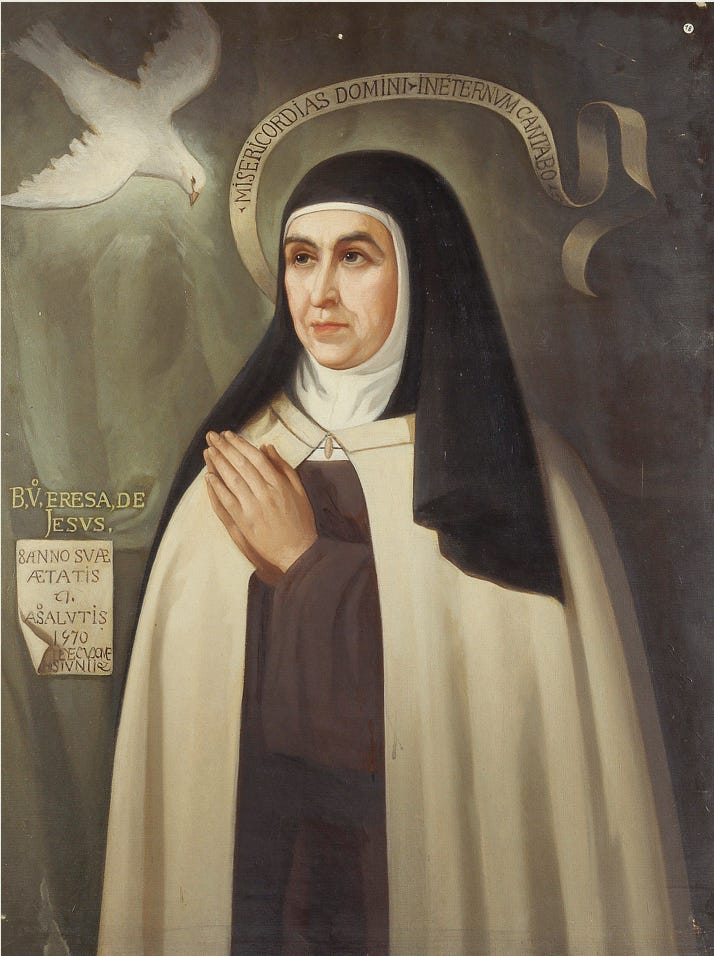
Within you dwells a divine treasure—do not bury your heart in earthly things. The door to this castle is prayer and reflection, and your soul must enter with humility, for the One dwells within the center.
St. Teresa of Ávila
The heart resembles a clear mirror. Desires and worldly distractions are like smoke and rust that cloud its surface.
Al-Ghazali
Mystical Heart Is Not A Metaphor
Is your heart at ease—or does it ache with questions no one has answered?
Is it numb? Hardened? Or still, quietly hoping?
Most spiritual traditions agree that the heart is not merely an emotional center. It is the seat of perception—the axis of truth-seeing. When veiled by grief, fear, unprocessed trauma, arrogance, or pride, our entire reality can become distorted.
In a fractured, overstimulated world, the condition of the heart is no longer just a mystical concern—it’s a psychological and existential one. It is a matter of survival, yes, but also of liberation.
From a transpersonal psychology perspective, the heart is a threshold where the personal dissolves into the sacred—where healing becomes awakening. Integral psychology may frame it as a convergence point of body, mind, soul, and spirit—a dynamic center of consciousness that must be cultivated, not bypassed.
The mystics have long practiced both psychologies, whether or not they named them.
This journal offers a distilled version of the complete and extended reflection—available here—exploring the metaphysics of awakening the heart through two intricate mystical lineages: Sufi Islam and Christian mysticism. Both traditions map the heart as a layered, dynamic vessel capable of love, the Beatific vision, and Divine union.
This is not pantheism. When I say the heart is not a metaphor, I mean it quite literally—the metaphysical heart is a real locus of perception, and it can become clogged by dense emotions like jealousy and envy and their many offshoots. For this reason, I’ll address the deeper question of annihilation and Divine union in a separate journal reflection.
Faith and the Weight of History
But what shapes that perception if the heart is where reality is revealed or distorted?
The monotheistic traditions of Judaism, Christianity, and Islam converge on universal truths: unity consciousness, the call to ethical living, and the promise of spiritual awakening. But history has polluted the traditions—not by the essence of the messages themselves, but through human imposition and misinterpretation.
Islam, in particular, has been cast into the global imagination as a distorted reflection of itself. The aftermath of 9/11 turned it into a geopolitical construct—an object of suspicion and fear.
A vast spiritual tradition was reduced to headlines, soundbites, and accusations.
9/11 was not just an attack on American soil; it was a rupture in how Western Muslims were perceived—and how they perceived themselves.
Overnight, the Muslim psyche was placed under siege.
The weight of collective blame, the pressure to justify or disavow one’s faith, and the internalized fear of being misunderstood fractured how many engaged with their spiritual inheritance.
I was a teenager when it happened. I remember CBC’s Peter Mansbridge, his sombre face on the screen, delivering what felt like a seismic shift. I went to my room and cried, torn between two thoughts: Muslims were the problem, or the West didn’t get it.
It wasn’t a sophisticated argument—but it made sense for a teenager. The absolute failure is that many adults never outgrew it.
9/11 created a wound—not only of identity but of faith.
This rupture reflects an ancient pattern. Muhammad ﷺ warned of the tendency to drift toward distortion and forgetfulness:
You will follow them step by step, even if they were to enter a lizard’s hole.
Before him, Moses and Jesus issued similar warnings—that humanity would lose sight of the essence and mistake the outer form of faith for its heart.
Today’s lizard’s hole might be the modern fixation on power, materialism, and control. Faith becomes ideology. Spirituality becomes performance. Revelation becomes a commodity.
But the purpose of revelation—whether framed as salvation or liberation—is to guide humanity beyond illusion into the vastness of the Real.
Islam offers tawḥīd, or unity of consciousness through surrender—breaking the chains of ego. Yet history has fragmented and ossified its form, turning what was meant to awaken the heart into a system of control.
The Qur’an warns against this:
But they divided their religion among them into sects—each faction rejoicing in what it has. (Qur’an 23:53)
Division breeds arrogance and arrogance breeds blindness. The heart that reflects Divine unity becomes fractured, splintered into tribalism and sectarianism—a regression back to the very thing Muhammad came to heal and stop.
The Sufi and Christian Maps of the Heart
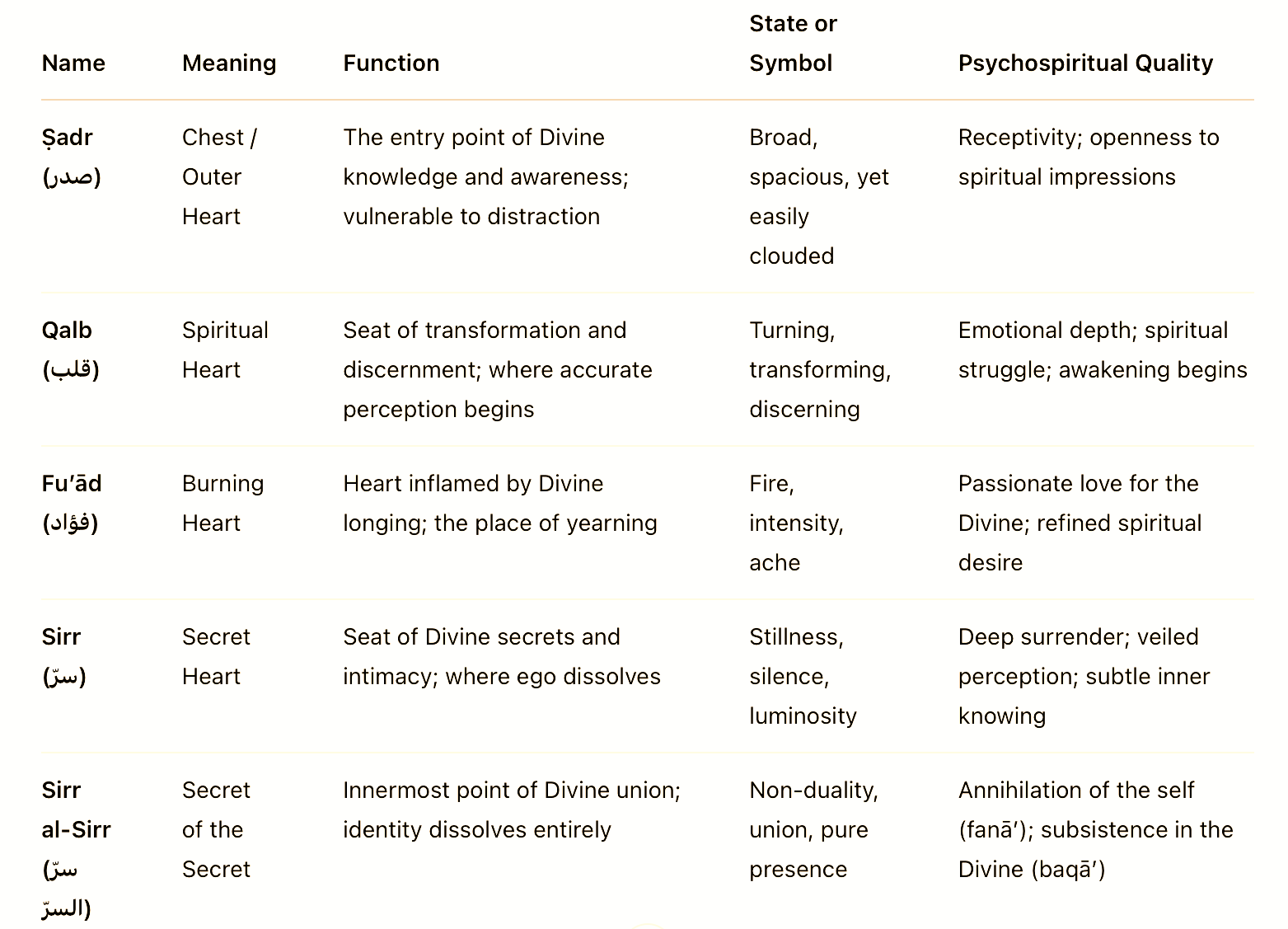
Sufi psychology describes the heart in layers, from the outer ṣadr (the chest, where knowledge enters) to the qalb (the spiritual heart), then to the fu’ād (the burning heart), the sirr (the secret)—the innermost sanctuary where the seeker behold the Beloved, where union in the Divine occurs, and then finally the sirr-u-sirr (the secret of Divine presence) the refuge of the innermost sanctuary that is the secret only the Beloved beholds.
Christian mystic St. Teresa of Ávila envisioned the soul as an “Interior Castle” composed of seven mansions—each representing a deeper stage of purification, detachment, and intimacy with God.
Both traditions insist the path is not linear. It’s a spiral, a deepening, a fire, a mirror.
We strive, pray, and discipline the ego in the early stages. But eventually, we must surrender—not just our actions but our identity. What begins as a journey of becoming becomes a surrender into being.
A Personal Reckoning
Between 2019 and 2022, I shattered. I found myself in psychiatric wards—more than once—lost in the intensity of the psyche and complex content about early childhood trauma. My devotion didn’t protect me from despair. But it gave me a language.
My heart, though walled off, had never stopped burning.
“Give back your heart to itself,” wrote Derek Walcott.
“To the stranger who has loved you all your life…”
There it was. My heart. Still here. Waiting to be claimed.
Sufis speak of sharḥ aṣ-ṣadr—the expansion of the chest. Teresa calls it the first awakening. The shift from fear to the suspicion that something more is possible.
Have We not expanded your chest for you and relieved you of the burden that weighed so heavily on your back? (94:1–3)
This is where the journey begins: when the heart dares to ask, what if there's more?
The First Movement: Awakening
The first movement of the soul is rarely dramatic. It’s more like an ache—an awareness that something is missing. St. Teresa’s First Mansion is marked by distraction and the ego’s grip. The person senses God’s presence but remains tangled in worldly attachments. The Sufis call this ghaflah—heedlessness.
At this stage, the ṣadr opens, allowing Divine knowledge to enter—but it’s easily disturbed. It is not an entry from the outside; instead, it is more of recognition. Like Al-Ghazali's warning, the heart’s mirror is cloudy: distorted by compulsive desires, it cannot yet reflect the truth.
For me, this awakening came in my twenties. My father was diagnosed with terminal cancer, and I realized that my prayers were shallow. The Divine felt distant.
I was distant from my soul. But I knew, somehow, the journey had begun.
The Second Movement: Hesitation
In Teresa’s Second Mansion, the soul begins to wrestle. It hears the Divine call more clearly but hesitates. The pull of old patterns is strong. The Sufis describe this as the realm of nafs al-lawwāmah—the self-reproaching soul.
Awareness is growing, but surrender is not yet possible. The ego is undomesticated.
Spiritually and psychologically, this is the terrain of inner conflict. One moment, you feel grace. The next, you're engulfed by the inner critic. Shame, fear, and survival strategies manifest as self-sabotage.
In therapy, this looks like knowing your pattern—but not being able to change it.
We want to trust—but how?
The Third Movement: Discipline and Danger
By the Third Mansion, the soul has matured. Devotion is consistent. The seeker prays or meditates regularly, fasts, reads and serves. The qalb, or the heart of the seeker, is rooted.
But now comes a subtler danger: spiritual pride or ego. The Sufis call this nafs al-mulhamah—the inspired self. It’s a beautiful stage. The soul seeks good. But the ego isn’t dead; it’s just clever.
It quietly whispers, “You’ve done the work. You’re ahead.”
This is the temptation to confuse discipline with Divine favour. To think your sincerity earns you nearness. But nearness is not earned. It is given.
And sometimes, it is withdrawn—to teach surrender.
“O Allah, do not leave me to myself even for the blink of an eye.”*
The Threshold of Surrender
At the end of the Third Mansion, the heart softens even more. The seeker touches the edge of sirr—the secret heart. Here, striving gives way to silence. Doing gives way to being. And yet—the danger remains.
One might begin to crave mystical experiences, confuse spiritual gifts for progress, or try to hold onto stillness as proof of growth. This is why Teresa and the Sufis insist on humility.
Not performative piety—but radical transparency.
The willingness to admit: I am not in control. And I never was.
The Middle of the Journey: The Fourth Mansion
Teresa calls this the turning point—the place where striving turns into surrender, where the spiritual path moves from doing to being done.
The Sufis describe the heart here as fu’ād—burning. Longing. But not yet annihilated.
It is not willpower that takes the soul further. It is trust. Spiritual pride can still arise. The temptation to “own” stillness. To grasp at grace. But grace is not something you achieve. It’s something you receive.
The heart now begins to soften, and the ego loosens. It starts to trust the silence.
And silence becomes presence.
The full version of this article—here—provides more nuanced points and details, along with the remaining three Mansions.
From Psychological Insight to Mystical Unveiling
Jung called it individuation—the integration of the conscious and unconscious, light and shadow. But the mystics go beyond integration.
They empty.
Where psychology seeks wholeness, mysticism seeks transparency. It does not seek a strong ego but a permeable one—a vessel. Al-Ghazali writes that the qalb is a mirror that reflects Divine light—but only when polished, when ego and illusion are cleared.
St. Teresa warns that spiritual discipline can turn into ego inflation. The soul may feel advanced—but pride is subtle. Even your longing can become a possession.
Sufis call this a veil. And the only way forward is deeper surrender.
Where Jung speaks of wholeness, Teresa and the Sufis speak of integration.
Modern Relevance: Between Control and Trust
We live in a culture of hyper-effort—always doing, fixing, achieving. Even spirituality becomes a performance, and even stillness becomes something to optimize.
But the heart doesn’t open through force. It begins through attention. Through the kind of receptivity and direct perception that mystical philosopher Simone Weil describes as “the rarest and purest form of generosity.”
“Grace fills empty spaces,” she writes, “but it can only enter where there is a void.”
This is the fundamental paradox: only a broken heart can reflect the Real.
Paying attention—to truly hold reality without flinching—is an act of spiritual maturity. It’s what lets grace enter—not because it is shattered but because it is open.
She called it transubstantiation: when desire burns out and becomes stillness. When the ego’s hunger is finally exhausted, and what remains is space.
Weil emphasizes that the heart’s most authentic capacity demands a level of attention so precise and subtle that, eventually, one’s consciousness becomes a prayer.
Attention, taken to its highest degree, is the same thing as prayer. It presupposes faith and love.
Absolutely unmixed attention is prayer.
Imagine your whole being—your presence—becoming a prayer to the Divine.
Al-Būnī and the Esoteric Chambers of the Heart
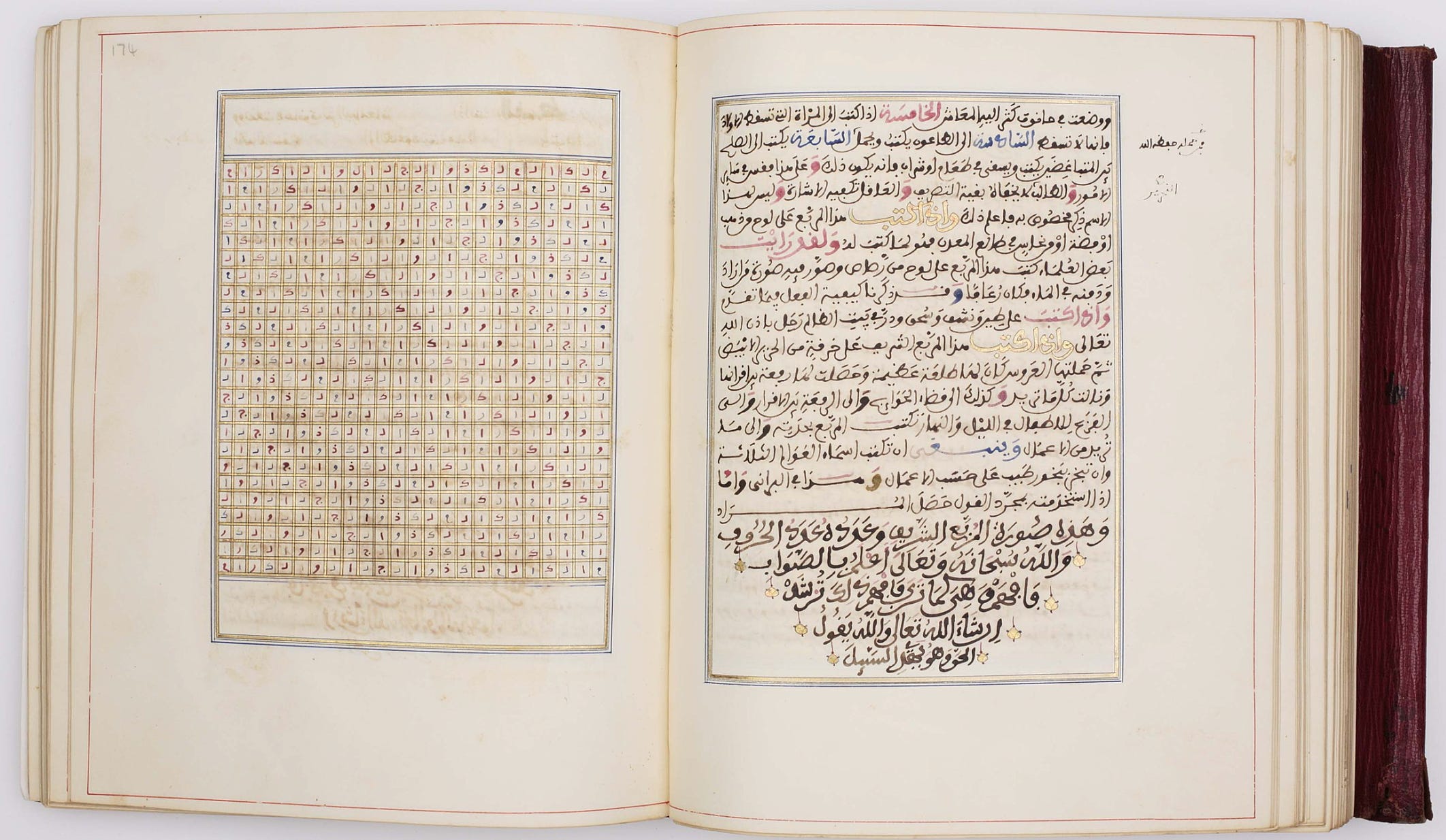
No one maps this interior terrain more precisely than Aḥmad al-Būnī, the 13th-century master of esoteric Islamic sciences.
He teaches that the heart has three chambers:
The First Chamber |‘Ilm | Knowledge
Here, lives form and sacred law, the outer world of actions, words, and rituals. Divine names touch the heart, but the knowing is conceptual.The Second Chamber | Khayāl | Imaginal Perception
This is the realm of dreams, symbols, and intuition. The heart sees through reality, discerning the unity beneath duality.Here burns longing, beauty, archetype, and depth.
The Third Chamber | Baṣīrah | Truth-Seeking Eye
The heart’s eye opens. Perception becomes witnessing (mushāhadah).Duality falls away. There is no interpretation—only seeing.
This isn’t a theory. It’s ontology. The seeker does not “understand” God.
They become a mirror through which God sees.
The Heart Across Traditions
The concept of the heart as the seat of perception and unveiling resonates across spiritual traditions:
Bhagavad Gita — In the Hindu scriptures, Krishna speaks to Arjuna’s heart, urging him to transcend fear and confusion by aligning with his truth. The battlefield is not only external—it is internal.
The Gita (15.15) states: "I am seated in everyone’s heart, and from Me come remembrance, knowledge and forgetfulness." The heart, therefore, represents the core of being where the Divine resides, calling us toward inner harmony.
Buddhist teachings — In Buddhist psychology, the heart-mind (citta) is central to spiritual awakening. The "jewel in the lotus" (Om Mani Padme Hum) symbolizes how compassion arises when the mind's clarity rests within the heart's tenderness.
Jack Kornfield reflects on this dynamic: “The mind creates the abyss, the heart crosses it.” The heart holds emotional depth and wisdom—liberation comes when both are balanced.
Jewish mysticism — The heart (lev) is where Divine commandments are inscribed—a covenant between the human soul and the Divine. Solomon wisely asks for "an understanding heart" (Binat HaLev) to judge the people by distinguishing between good and evil, innocent and guilty—discernment.
In Jewish tradition, the heart is the seat of wisdom and the vessel of emotion. A midrash lists over 60 emotions of the heart: "The heart sees, hears, speaks, falls, stands, rejoices, weeps, comforts, sorrows..." (Ecclesiastes Rabbah 1:16). The heart, then, is the center of both moral discernment and emotional depth—a place where Divine wisdom and human vulnerability meet.
The heart is more than an emotional center. It is where wisdom and compassion fuse. Proper heart alignment is not just emotional or intellectual—it is spiritual, centred on the core of being.
If each of these sacred traditions—so rich in language for the heart—calls us toward mercy, stillness, and truth…
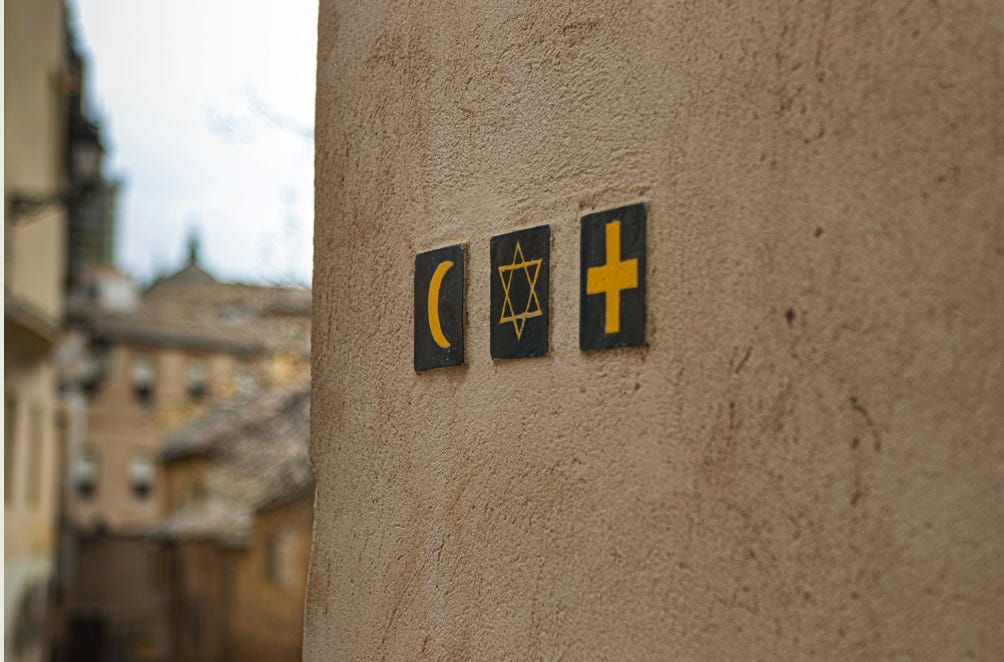
If the Gita, the Gospel, the Quran, the Torah, and the Dhammapada all point to a deeper intelligence woven into the heart…
Then why, in God’s name, do our differences still blind us?
Why do we weaponize the very truths meant to heal and librate us?
Why do we defend God with violence, instead of compassion?
Why do we leave behind the heart—when every tradition placed it at the center?
The Way Forward
If you’re reading this, you’ve already entered the castle. That in itself is grace.
Wherever you are—distracted, hesitant, disciplined, or quietly burning—your heart is already on the path. The maps are here. The mystics have always known the terrain. Not a cognitive knowing. An embodied one.
The question is not if the heart can awaken. It’s whether we will allow you or me.
But what comes next?
The death or dissolution of the ego (fanā’).
The quiet union with the Divine (baqā’).
The sirr—the secret chamber—where God is no longer “other.”
The return to the world is not as a seeker but as a vessel.
This condensed reflection ended at the Fourth Mansion—the spiritual midpoint where striving begins to yield to grace. The full version continues beyond this threshold.
As some of you requested, I am also working on turning all my reflections into audio.
If you're called to continue this journey into the burning, secret, truth-seeking heart, please head to my website and sign up for my newsletter—
👉 Read the full article here: www.integrativepractice.ca/the-salikah-alchemist
Thank you!
If you have any comments, questions, or corrections, please email info@integrativepractice.ca